

Understanding AC Induction Motors and Their Applications
AC industrial motors play a crucial role in powering a wide range of machinery and equipment across various sectors. Their reliability, efficiency, and adaptability make them a preferred choice for industries, OEMs, and dealers throughout India. In this post, we will explore the fundamentals of AC industrial motors, their working principles, and the diverse applications that make them indispensable in modern industry.
What Are AC Industrial Motors?
AC industrial motors are electric motors powered by alternating current (AC). They convert electrical energy into mechanical energy, driving machines and equipment in factories, plants, and other industrial settings. These motors are designed to handle heavy loads and operate continuously under demanding conditions.
There are two main types of AC motors: synchronous and asynchronous (or induction) motors. Among these, induction motors are the most widely used due to their simple construction, robustness, and cost-effectiveness.
Key Features of AC Industrial Motors
Durability: Built to withstand harsh industrial environments.
Energy Efficiency: Designed to minimize power consumption.
Low Maintenance: Fewer moving parts reduce wear and tear.
Versatility: Suitable for various applications, from pumps to conveyors.
Understanding these features helps industries select the right motor for their specific needs, ensuring optimal performance and longevity.
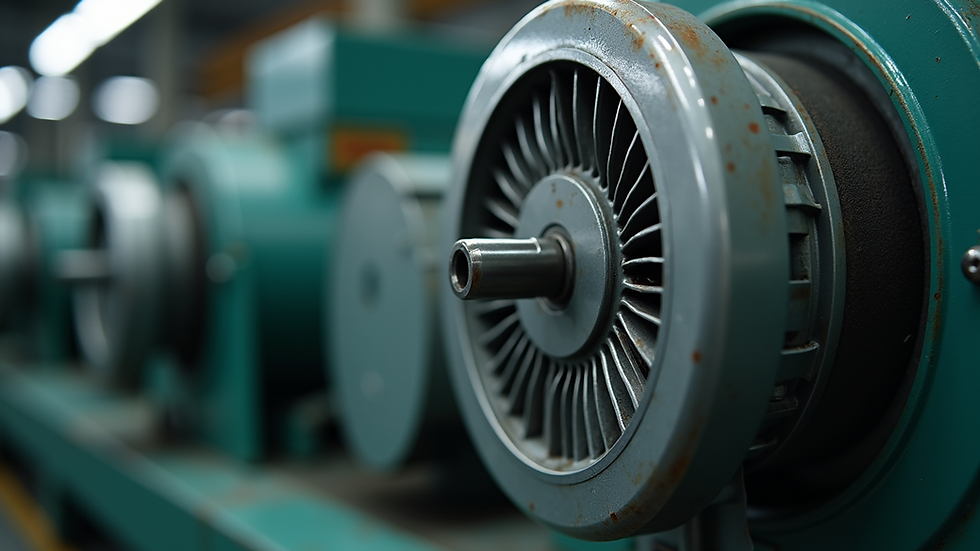
AC Industrial Motors Applications
The applications of AC industrial motors are vast and varied. Their ability to provide consistent torque and speed control makes them ideal for many industrial processes. Here are some common applications:
1. Manufacturing and Production Lines
AC motors power conveyor belts, assembly lines, and robotic arms. Their precise speed control ensures smooth operation and high productivity.
2. Pumps and Compressors
Industries rely on AC motors to drive pumps for water, oil, and chemicals. Compressors used in refrigeration and air conditioning systems also depend on these motors.
3. HVAC Systems
Heating, ventilation, and air conditioning systems use AC motors to operate fans and blowers, maintaining comfortable and safe environments in industrial facilities.
4. Material Handling
Cranes, hoists, and elevators use AC motors for lifting and moving heavy loads efficiently and safely.
5. Textile and Paper Industries
Machines in these sectors require motors that can handle variable speeds and loads, making AC motors a perfect fit.
By understanding these applications, businesses can better assess their motor requirements and choose solutions that enhance operational efficiency.

How AC Industrial Motors Work
AC industrial motors operate on the principle of electromagnetic induction. When alternating current flows through the stator windings, it creates a rotating magnetic field. This field induces a current in the rotor, generating torque that causes the rotor to turn.
Components of an AC Motor
Stator: The stationary part that produces the magnetic field.
Rotor: The rotating part that turns the mechanical load.
Bearings: Support the rotor and allow smooth rotation.
Shaft: Transfers mechanical power to the connected equipment.
Types of AC Motors
Squirrel Cage Induction Motor: The most common type, known for its ruggedness and simplicity.
Slip Ring Induction Motor: Used where high starting torque is required.
Synchronous Motor: Runs at a constant speed synchronized with the supply frequency.
Understanding the working mechanism helps in troubleshooting, maintenance, and selecting the right motor for specific industrial tasks.
Selecting the Right AC Industrial Motor
Choosing the appropriate motor involves considering several factors:
Load Requirements: Determine the torque and speed needed.
Power Supply: Match the motor voltage and frequency with the available supply.
Environment: Consider temperature, humidity, and exposure to dust or chemicals.
Efficiency: Opt for energy-efficient models to reduce operational costs.
Size and Weight: Ensure compatibility with existing equipment and space constraints.
Consulting with trusted suppliers and manufacturers can provide valuable insights and customized solutions. For example, ac induction motors from reputable providers offer a balance of performance and reliability tailored to industrial needs.
Maintenance and Troubleshooting Tips
Proper maintenance extends the life of AC industrial motors and prevents costly downtime. Here are some practical recommendations:
Regular Inspection: Check for signs of wear, overheating, or unusual noises.
Lubrication: Keep bearings well-lubricated according to manufacturer guidelines.
Cleaning: Remove dust and debris to prevent overheating.
Electrical Testing: Monitor insulation resistance and winding conditions.
Alignment: Ensure the motor shaft aligns correctly with the driven equipment.
When issues arise, common troubleshooting steps include checking power supply, verifying connections, and testing motor components. Prompt attention to problems can avoid major failures and maintain smooth operations.
Future Trends in AC Industrial Motors
The industrial sector is evolving, and so are the technologies behind AC motors. Some emerging trends include:
Smart Motors: Integration of sensors and IoT for real-time monitoring and predictive maintenance.
Energy Efficiency Improvements: Development of motors with higher efficiency ratings to meet stricter regulations.
Advanced Materials: Use of lightweight and durable materials to enhance performance.
Variable Frequency Drives (VFDs): Increasing adoption for precise speed control and energy savings.
Staying informed about these trends helps industries remain competitive and sustainable.
Empowering Industry with Reliable Motor Solutions
Choosing the right AC industrial motor is critical for operational success. By understanding their construction, working principles, and applications, industries can make informed decisions that boost productivity and reduce costs.
At Unicorn Engineers, we are committed to providing high-quality, energy-efficient ac induction motors across India. Our focus on reliability and customer support empowers businesses to achieve their goals with confidence.
Investing in the right motor technology today lays the foundation for a more efficient and productive tomorrow.


Comments